Human nature is inherently prone to divisiveness and conflict. Therefore, it seems logical that encouraging tolerance of diverse beliefs, opinions and behaviour would reduce, and possibly minimise, conflict and resulting violence. However, even a cursory glance at the world around us reveals an entirely different state of affairs. It is apparent that many, if not most, people advocate tolerance only to push their viewpoints for broader acceptance, while vilifying others’ viewpoints. It’s crucial to weigh the different aspects of the matter at hand if one is to judge when, where, and how much tolerance is appropriate under a given set of conditions.
The positive aspects of tolerance
Given the diversity of human society, respect for differing opinions, faiths, customs, and ways of life enhances social harmony and can lead to better living conditions for everyone. Socio-economic growth tends to be more rapid in societies with fewer conflicts and a focus on education, scientific progress and intellectual growth. Respect for others, even those who are less powerful and/or prosperous, reduces the risk of abuse of power. If a society provides ample opportunities for even the lower strata, it reduces resentment toward the more privileged. Individual freedom and dignity require respect for individual opinions and choices rather than dogmatic compliance. On the other hand, societies where people regularly clash over trivial matters tend to lack growth across most aspects of life.
While it may seem that a society that accepts every viewpoint with equal respect would be a utopia, the ground reality is that not everyone is willing to work together for a common goal. No matter how good a system is, there will always be flaws. There will always be people who would exploit the goodness of others for their nefarious purposes.
Complacency, apathy and tolerance for the intolerant
While a society that respects diversity tends to be more productive and harmonious, there comes a point where the flaws become too serious to ignore. Often in moderately to highly liberal societies, degenerate behaviour begins to flourish, to the detriment of the otherwise harmonious folk. Addictions, unhealthy habits and degeneracy become normalised as ‘choice’, and the media tends to promote this narrative of ‘choices without consequences‘. Moral values erode and give way to ideas like ‘moral relativism’ where there is no such thing as a bad or unethical action as long as one can label it as ‘choice’ or ‘freedom’. In such a society, nothing is off-limits as people’s behaviour degrades to a new low now and then.
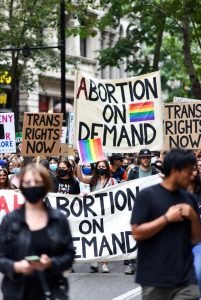
Some inherently intolerant people and ideologies take advantage of a highly tolerant society to further their own agenda, which is anything but tolerant of others, all the while demanding respect and tolerance for themselves. Extreme levels of tolerance lead to policies that can undo millennia of progress by elevating incompetent people in the name of DEI. Resentment in society builds up when it appears that tolerance isn’t universal and only a few people use it to shame others into compliance and submission.
Conclusion
It is, therefore, prudent to consider which matters are better left to individual choice and which matters require strict enforcement of socio-legal rules and regulations. For example, matters of social and cultural customs and practices ought to be left to individual choice, so long as such choices do not promote unethical practices. On the other hand, when the matter at hand concerns the well-being of the populace, such as public safety and public health, individual choice can sometimes be quite irrational and capricious—for example, smoking in public and songs that promote substance abuse and violent crime.